
How to Get Involved in Community Agriculture—Even If You Don’t Farm
Community agriculture is more than just growing food—it’s about creating connections between people, the land, and the resources that sustain us. Here in Western North Carolina, the tradition of working the land runs deep, and it’s a vital part of what makes our region so unique. But you don’t have to be a farmer to be a part of this meaningful work. Community agriculture is open to everyone, no matter your background or experience, and offers plenty of ways to get involved.
For many, it’s about building relationships. Whether it’s through visiting local farms, attending agricultural events, or simply learning about where your food comes from, there’s an opportunity for everyone to contribute. These connections strengthen our community and help ensure access to fresh, local food while also supporting the livelihoods of farmers across the region.
Local farms in WNC often act as hubs for collaboration, offering spaces where neighbors can come together to share knowledge, lend a hand, and grow a deeper appreciation for sustainable farming practices. This spirit of cooperation and shared responsibility is at the heart of community agriculture, turning farming into a community-wide effort that benefits everyone.
As a nonprofit working in this area, we’ve seen firsthand how these partnerships help strengthen both individuals and the community as a whole. The ripple effects of this work go far beyond the fields, shaping a stronger, healthier future for our area.
Ways to Participate in Community Farming
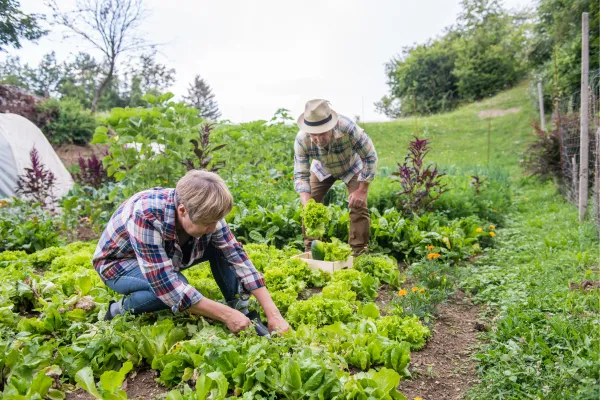
Community farming in Western North Carolina offers numerous opportunities for individuals to connect with the land and support local food systems. Volunteering is a great way to get started. Many local farms welcome community members to assist with tasks such as planting, weeding, and harvesting. It’s a hands-on experience that not only helps farmers but also gives you a closer look at the daily work that goes into producing fresh, local food.
Another option is to support a community-supported agriculture (CSA) program. Through a CSA, you purchase a share of a farm’s harvest and receive regular boxes of seasonal produce. This direct connection to a farm gives you a deeper appreciation for the variety and effort involved in growing food. Plus, it provides a reliable source of fresh, nutritious fruits and vegetables for your household.
For those looking for ways to engage more socially, consider joining farm-based volunteer days or community workdays, which are often organized by local nonprofits or the farms themselves. These events allow you to meet neighbors, share a meal, and work together to support the farm. It’s a fun and interactive way to build relationships while contributing to the broader community agriculture movement. With so many ways to get involved, you’re sure to find something that fits your interests and schedule.
Starting a Home Garden
Starting a home garden is a wonderful way to connect with nature and take part in the larger movement of community agriculture right from your own backyard. Even with a small space, you can grow an impressive variety of fruits, vegetables, and herbs that will provide fresh, nutritious options for your table. If you’re new to gardening, start with plants that are easy to grow, like beans, radishes, or zucchini, and build from there as you gain experience and confidence.
In Western North Carolina, our unique climate and soil conditions create an ideal environment for a wide range of crops. Local gardening groups and extension offices can be valuable resources, offering advice tailored to our region. Many communities also host seed exchanges or plant sales, where you can find locally adapted varieties and connect with others who share your interest in growing food.
By growing your own food, you not only supplement your meals but also engage with the agricultural community in meaningful ways. Swapping harvests with neighbors, sharing gardening tips, or donating extra produce to food banks are just a few ways your home garden can make a broader impact. Additionally, growing your own food deepens your understanding of the care and effort that local farmers pour into their work, fostering a greater appreciation for the community agriculture that sustains us all.
Local Farmers' Markets and Events
Farmers' markets in Western North Carolina are lively spaces where you can connect directly with growers and discover the freshest produce the region has to offer. These markets provide a chance to explore seasonal fruits, vegetables, and other locally made products, all while supporting the people who dedicate their lives to working the land. Beyond shopping, markets often feature live music, food vendors, and family-friendly activities, making them a vibrant part of the community experience.
Agricultural events also offer unique opportunities to engage with local farms and farmers. Farm tours, for instance, allow you to walk the fields, see where your food is grown, and learn about the farming techniques used. Many farms also host seasonal events like berry picking, pumpkin patches, or holiday markets, offering a hands-on way to enjoy the agricultural richness of the region.
Workshops and demonstrations often take place during these events, providing a space to pick up new skills like preserving food, composting, or making natural products. Whether you’re interested in growing your own food, experimenting with new recipes, or simply learning more about sustainable practices, these events are packed with information and inspiration. They’re also a great way to meet people who share an appreciation for local farming and food systems.
Educational Programs and Workshops
Educational programs and workshops offer practical ways to deepen your connection with community agriculture and expand your knowledge of sustainable practices. In Western North Carolina, a variety of organizations and farms host hands-on learning opportunities that cater to all experience levels. You can attend classes on organic gardening, composting, beekeeping, or food preservation, among many other topics. These programs provide actionable skills you can use in your own backyard or in support of local farms.
Workshops often include interactive demonstrations and opportunities to practice new techniques alongside experts and fellow participants. For example, you might learn how to build raised garden beds, plant cover crops, or create natural fertilizers. Some programs even focus on teaching kids about farming, offering family-friendly sessions to spark early interest in agriculture.
In addition to single-day workshops, longer-term training programs and farm apprenticeships are available for those who want to immerse themselves more fully in farming life. These opportunities can provide valuable insights into what it takes to grow food sustainably, manage a farm, or run a small agricultural business.
Whether you’re a beginner or have years of experience, these educational offerings are an excellent way to gain practical skills, connect with others who share your interest in farming, and become more engaged with the agricultural community in WNC.
The Role of Nonprofits in Community Agriculture
Nonprofits in Western North Carolina are vital partners in fostering a strong connection between community members and local agriculture. As organizations rooted in service and collaboration, we work closely with farmers, educators, and volunteers to create opportunities that make farming more accessible to everyone. Whether it’s organizing hands-on farm days, coordinating educational workshops, or supporting food access programs, nonprofits serve as a bridge that brings people together to engage with the land and each other.
One of the most rewarding aspects of this work is seeing how these efforts bring neighbors together to support local food systems. For instance, volunteer programs allow individuals to assist farms with essential tasks like planting or harvesting, while also learning firsthand about sustainable practices. At the same time, food distribution programs connect fresh, locally grown produce with those who might not otherwise have access to it, ensuring that everyone in the community can enjoy the benefits of locally sourced food.
Through partnerships with farms, schools, and community groups, nonprofits also provide critical resources, such as tools, seeds, and training, to make agriculture more approachable for those just getting started. These programs empower individuals and families to play an active role in the region’s agricultural landscape while strengthening bonds across our community.
How to Get Involved
Getting involved in community agriculture is a powerful way to connect with your neighbors, support local farmers, and contribute to a more sustainable future. By taking small, meaningful steps, such as volunteering at a farm, joining a CSA, or attending a workshop, you can become part of a larger effort that strengthens food systems and fosters a sense of community.
Your participation not only helps local farms thrive but also promotes healthier lifestyles and creates opportunities to learn and grow alongside others who share your values. Every action, no matter how small, plays a role in building a stronger, more resilient community in Western North Carolina.
Take a moment to explore the many ways you can engage with agriculture in your area. From connecting with local organizations to simply sharing what you’ve learned with friends and family, your efforts can inspire others to get involved and expand the impact of this important movement.
The future of farming and food starts with each of us. Join the growing number of people in WNC who are choosing to reconnect with the land and each other through community agriculture. Together, we can create a healthier, more sustainable tomorrow.